What Parents and Grandparents Need to Know About RSV
RSV (Respiratory Syncytial Virus) is a very common virus that affects the airways and lungs. It usually causes cold-like symptoms, but it can sometimes lead to breathing problems.
As a parent or grandparent, it can be worrying when a child gets sick. RSV is very common, and while most children recover at home, it can sometimes cause serious illness, especially in babies and young children. Older adults and people with weakened immune systems or heart and lung conditions can also become very sick.
Anyone can get RSV, and you can get it more than once. Almost all children will catch RSV by the age of two. RSV season usually runs from October to April.
What Are the Symptoms of RSV?
Runny or stuffy nose
Cough
Fever
Sneezing
Sore throat
Loss of appetite
Feeling tired or irritable
When Should I Get Medical Help?
Most children start to feel better within one to two weeks. Contact a healthcare provider if you are worried about your child’s breathing or overall condition.
How Does RSV Spread?
RSV spreads easily through coughs, sneezes and close contact with someone who is sick. It can also spread when people touch contaminated surfaces and then touch their eyes, nose or mouth. The virus can live for several hours on toys, doorknobs, phones, and other commonly touched items; this is why RSV can spread quickly through families, childcare settings, schools and playgroups.
How Can I Help Protect My Family?
Wash hands often with soap and water.
Use hand sanitizer when needed.
Cover coughs and sneezes with a tissue or sleeve.
Throw used tissues in the trash right away.
Clean frequently touched surfaces.
Avoid close contact with people who are sick.
Stay home when ill and keep sick children home from school or childcare.
These small steps can help protect babies, children, grandparents and other family members.
RSV Immunization
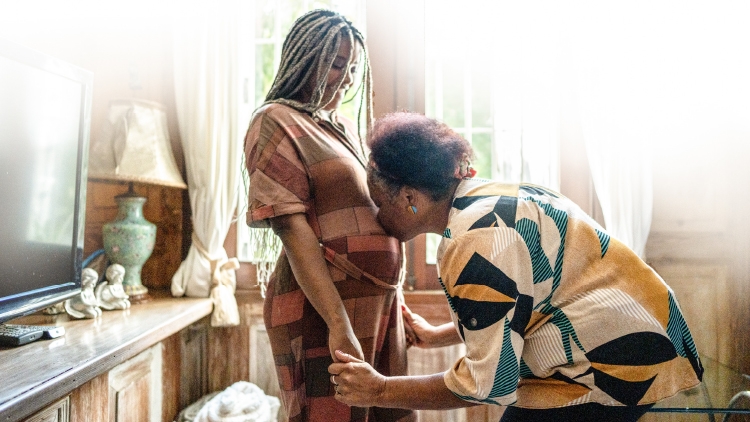
Immunization is the best protection against severe RSV illness. Ontario’s RSV Prevention Program provides protection for eligible infants, some high-risk children, pregnant individuals, older adults and others at increased risk. Getting immunized during pregnancy can help protect a baby during their first months of life. Some infants may also qualify for a preventive medication that helps reduce the risk of severe RSV infection. Talk to your healthcare provider or pharmacist about RSV prevention and whether you or your family members are eligible. Protecting against RSV can help keep your family healthy and reduce the risk of serious illness during RSV season.
For more information on who is eligible to receive an RSV Vaccine:
Resources:
Provincial Council for Maternal and Child Health Protecting Your Child from RSV For Parents and Expectant Parents – https://www.pcmch.on.ca/wp-content/uploads/pcmch-rsv-parent-fact-sheet.pdf
References:
Middlesex-London Health Unit. (2026, April 8). Respiratory syncytial virus (RSV). https://www.healthunit.com/respiratory-syncytial-virus#RSV-vaccine
Ontario Ministry of Health. (2026, September 10). Respiratory syncytial virus (RSV). Government of Ontario. https://www.ontario.ca/page/respiratory-syncytial-virus
Submitted by the Middlesex-London Health Unit