The Parallel Patient: Caring for the Caregiver
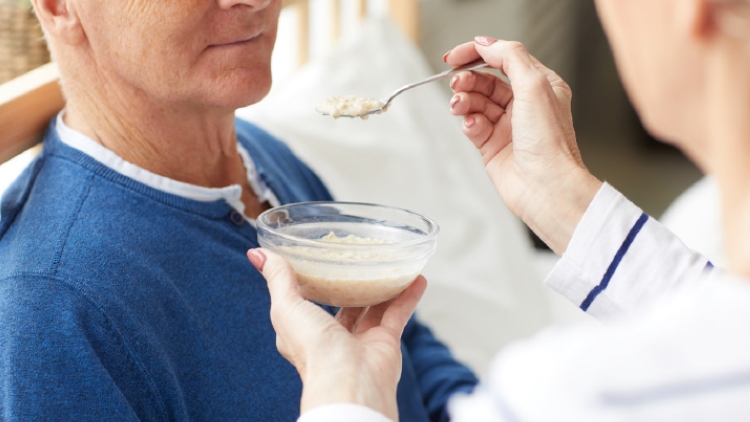
When serious illness enters a family, attention naturally focuses on the person who receives the diagnosis. Yet there is often another person whose life has been dramatically altered by the diagnosis. The caregiver.
In many ways, caregivers begin a parallel journey of their own. While they do not carry the disease in their body, they carry its consequences in every corner of their lives. Their days become organized around appointments, medication schedules, transportation, symptom management, financial concerns, household responsibilities and emotional support. Their nights are often interrupted by worry, caregiving tasks or the persistent fear of what tomorrow may bring.
When Courtney’s husband Mike developed advanced kidney cancer in his forties, life changed overnight. Alongside the emotional devastation of watching someone she loved suffer, Courtney found herself navigating the practical realities of caregiving while raising two young boys.
Looking back, Courtney speaks openly about one of her most important lessons: to advocate for herself. Like many caregivers, her instinct was to focus exclusively on her husband and family, her own needs secondary. Yet over time she realized that neglecting herself was neither sustainable nor helpful.
Courtney recommends turning offers of help into specific assignments:
- Take the children to school
- Bring a coffee and check in
- Pick up groceries
- Help with laundry
- Run errands
- Sit with the patient for an hour so the caregiver can rest or get fresh air
For a caregiver in survival mode, well-intentioned suggestions for self-care, like getting a massage or haircut, can feel impossibly large. A caregiver who is struggling to find five uninterrupted minutes may feel defeated rather than encouraged by recommendations that require time, planning, energy, money or emotional bandwidth.
Courtney offers the wisdom of micro-goals: small acts of self-care that remain achievable even during the most difficult times:
- taking a shower that lasts 10 minutes instead of 2
- stepping outside for fresh air
- choosing a favorite snack at the grocery store as a statement that one’s own needs still matter
These actions may seem insignificant from the outside, but each one communicates an important message: “I am still here, I matter, my needs matter.” For caregivers who have spent months or years putting themselves last, these small moments can become powerful acts of self-preservation.
Perhaps the greatest challenge facing caregivers is not learning how to care for another person. It is remembering that they are a person worthy of care themselves.
Dr. Kylea Potvin, Medical Oncologist and Founder, Eir Centre, 226-289-6644, Info@eirhealing.ca